
Country
Hungary
Agricultural Area
/
About ERS
- Lead: Széchenyi István University - SZE
- Contact: István Mihály Kulmány
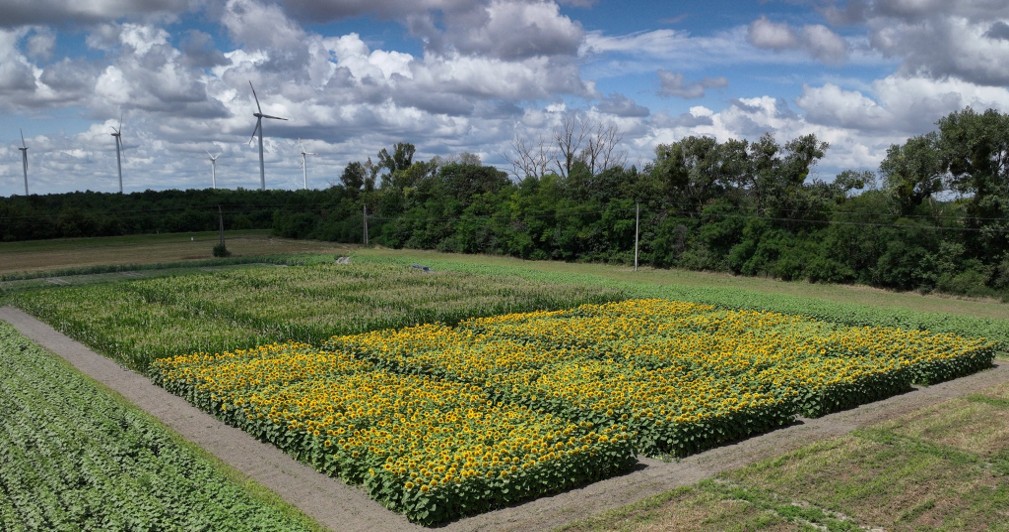
- Production System: Arable crop such as maize, wheat, barley, sunflower, sorghum, phacelia, rapeseed, pearl onion. Orchard.
Thematic Areas Covered

Crops Management

Herd Management

Soil Health and Biodiversity

Water Management
Description
The Széchenyi István University Experimental Research Station (SZE ERS) in Mosonmagyaróvár, Hungary supports applied research in precision agriculture and climate-smart farming.
Equipped with IoT-based meteorological and soil sensors, the site enables continuous data collection on soil moisture, temperature, crop performance and yield monitoring.
The aim of researches is to enhance sustainability and to increase resilience under variable climatic conditions. we have collaboration with academic, industrial, and farming partners to test and validate innovative technologies that advance the transition toward climate-neutral and resource-efficient agriculture in Hungary and across Europe.
Characteristics
The SZE ERS represents a unique combination of applied research, education, and innovation in precision agriculture. Its mission is to develop and demonstrate data-driven, environmentally sustainable farming systems integrating digital technologies, AI, and remote sensing.
The station focuses on optimizing water and nutrient use, monitoring soil–plant–atmosphere interactions, and supporting farmers with science-based tools for climate adaptation. By aligning with the university’s interdisciplinary expertise in biosystems engineering and agri-environmental sciences, the ERS contributes to the vision of a climate-smart, digitally empowered agricultural sector for Central Europe.