Sustainable Heavy Pig Production
- Lead: Consiglio per la ricerca in agricoltura e l'analisi dell'economia agraria - CREA
Country
Italy
Agricultural Area
84 ha
About ERS
- Lead: Consiglio per la ricerca in agricoltura e l'analisi dell'economia agraria - CREA
- Contact: Sara Carè and Davide Bochicchio
- Production System: Livestock production (pig), arable production, conventional
Thematic Areas Covered

Crops Management

Forage Production

Herd Management

Manure Storage and Spreading

Rewarding Mechanisms

Soil Health and Biodiversity
Description
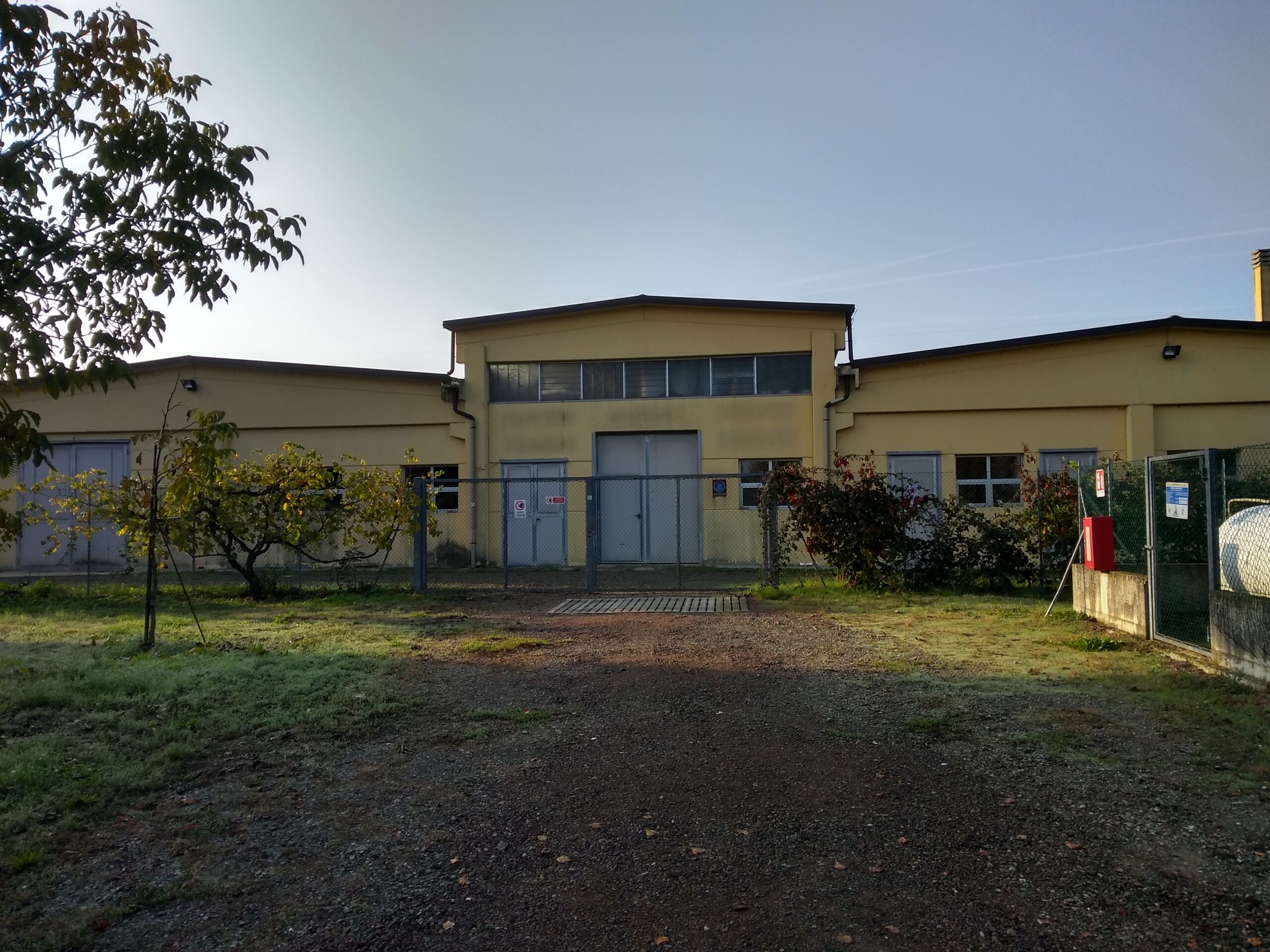
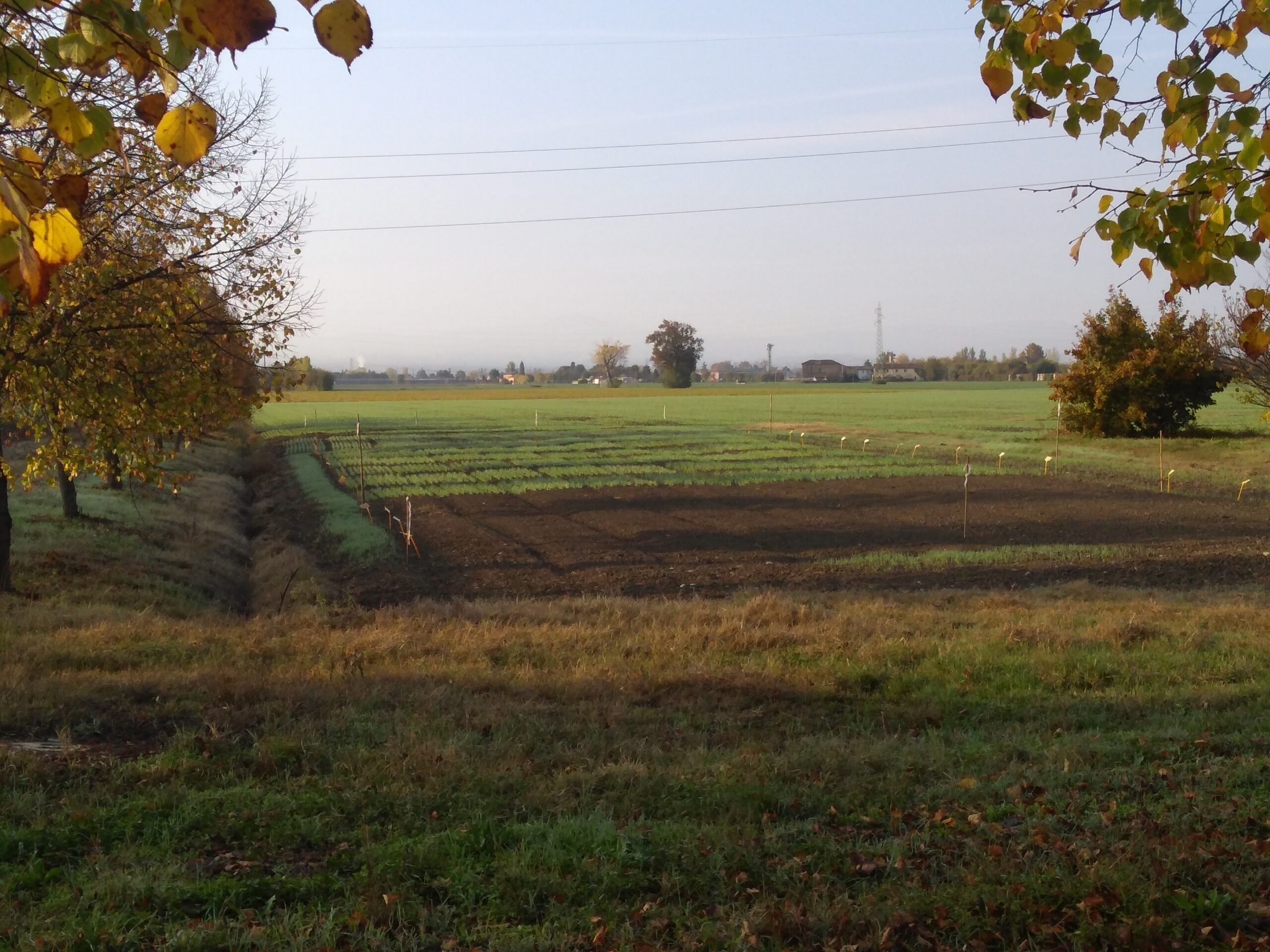
The pionerERS of CREA-ZA has a size of about 84 ha where autumn-winter cereals and alfalfa are cultivated, are used to produce feed and to carry out experimental tests for the efficient use of manure.
It has 2 experimental piggeries: a piggery for reproduction (35-40 sows) and fattening phase (144 head units) and a growing-fattening piggery (480 head units). Within the CSR project, CREA’s activities aims to develop more sustainable feed formulations based on barley and sorghum which allow to reduce feed purchased from feed mills; to use precise feeding to adjust the CP content to reduce N and P excretion.
Furthermore, tests will be conducted to evaluate the effect of using protein peas in crop rotation, minimum tillage, and optimizing the use of livestock waste to reduce the use of synthetic nitrogen fertilizers and improve soil fertility and organic matter.
Characteristics
The pionerERS of CREA-ZA is an experimental farm where we carry out trials of the influence of rearing methods and different nutrition strategies on pig production efficiency, animal welfare, and quality of carcasses, meat and fat deposit. In this experimental station it is also possible to evaluate additives and supplements for safeguarding the health of piglets.
The experimental tests that are done are generally basic research and the main environmental themes that are analyzed are: reduction of GHG and NH3 emissions into the atmosphere and P excretion since the accumulation of phosphorus in water causes eutrophication, with consequent algal bloom and oxygen consumption, which is harmful to aquatic ecosystems.